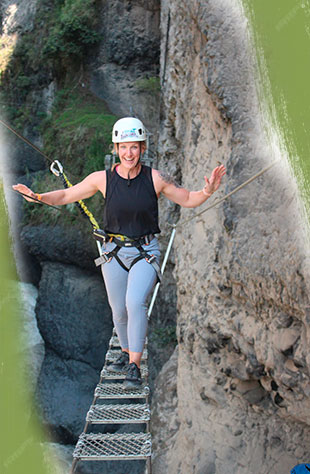
Bike Yourself
Come and enjoy our tour with a free guide who will show you the different waterfalls in the city.


GEOTOURS, founded in Baños in 1991, is an organization that was specifically designed for extreme sports and outdoor activities.
Ambato y Halflants - Baños de Agua Santa - Ecuador
+593995433293
sales@geotoursbanios.com
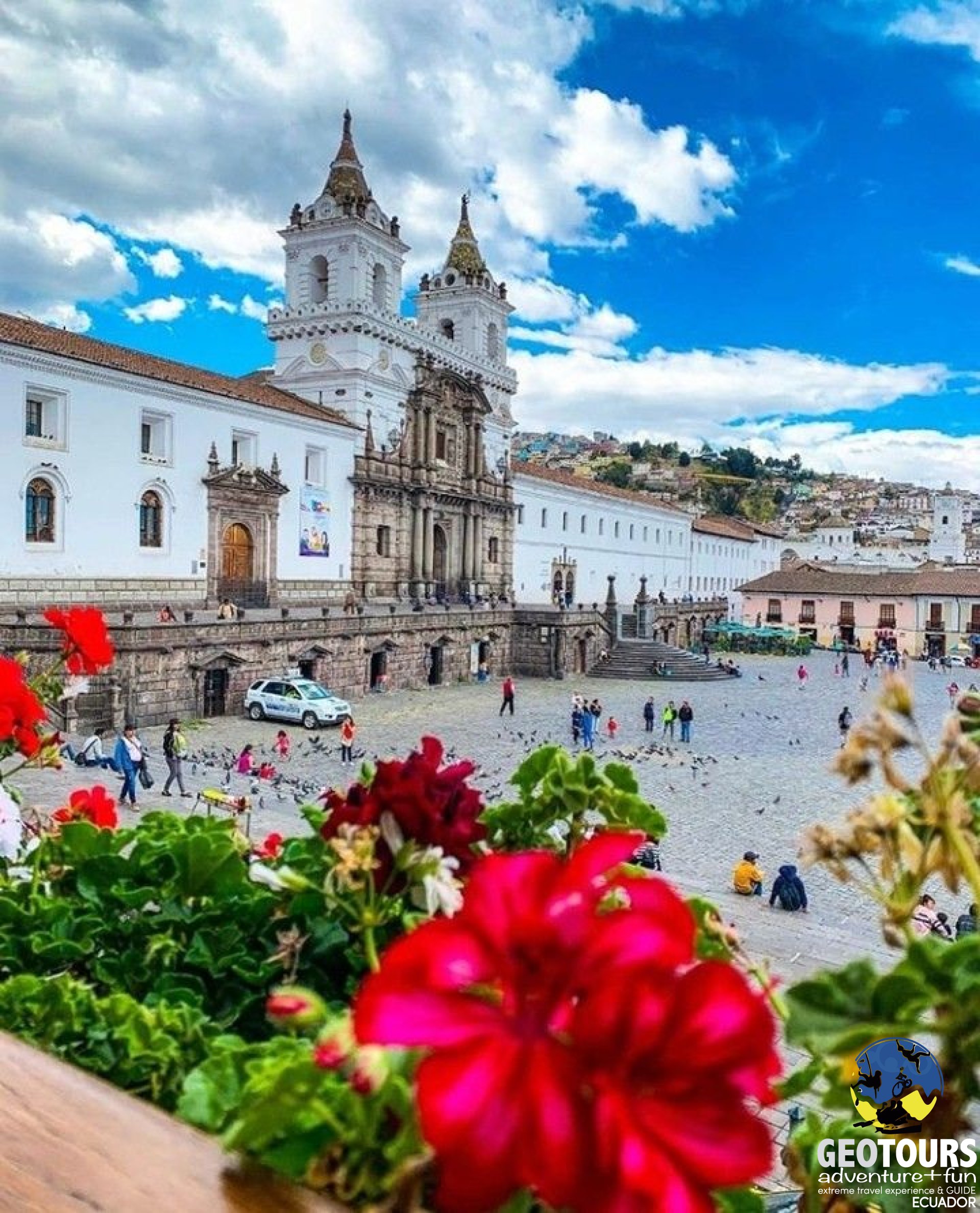
In 1978, Quito made history by becoming one of the first cities in the world to receive the title of UNESCO World Heritage Site. This recognition was no coincidence: Quito's Historic Center preserves one of the best-preserved and most extensive colonial architectural ensembles in Latin America.
Located at 2,850 meters above sea level, Ecuador's capital is a living museum where every plaza, church, and cobblestone alley tells centuries of history. The Historic Center covers approximately 320 hectares and houses more than 40 churches, 16 convents and monasteries, and nearly 5,000 registered buildings.
La Compañía de Jesús Church dazzles with its interior completely covered in gold leaf, being considered one of the most important expressions of American baroque. Its façade carved in volcanic stone is a masterpiece that took 160 years to complete.
The Basílica del Voto Nacional, although more recently constructed (begun in 1892), impresses with its neo-Gothic style and unique gargoyles: instead of European mythical creatures, here you'll find iguanas, armadillos, and Galápagos tortoises guarding the temple.
Independence Plaza or Plaza Grande is the political and social heart of the city, surrounded by the Carondelet Palace (presidential headquarters), the Metropolitan Cathedral, and the Archbishop's Palace.
This complex of more than 30,000 square meters is the largest colonial architectural ensemble in South America. Its construction began just 50 days after the Spanish foundation of Quito in 1534. Walking through its cloisters, museums, and chapels is like traveling directly to the 16th century.
Quito was the cradle of the famous Quito School, a colonial artistic movement that fused European techniques with indigenous sensibilities. Masters like Miguel de Santiago and Caspicara created works that are now exhibited in museums worldwide. The City Museum and the San Francisco Convent Museum house extraordinary collections of this tradition.
Quito's heritage is not limited to religious sites. La Ronda Street, one of the city's oldest passages, offers a bohemian experience with artisan workshops, traditional cafés, and live music. Here you can observe how guitars are made, tinplate is worked, or canelazo is prepared—the perfect hot beverage for Andean nights.
Altitude: Take it easy on your first day to acclimatize to the elevation. Stay hydrated and avoid heavy meals.
Hours: Most churches charge a modest entrance fee ($2-4) and close on Sundays during religious services.
Safety: The Historic Center is generally safe during the day, but keep your belongings secure and avoid poorly lit areas at night.
Tours: Free walking tours are excellent for understanding the history and legends of every corner.
Viewpoint: Climb up to El Panecillo for the most spectacular panoramic view of the city.
The most extraordinary thing about Quito is that it's not a static museum. It's a vibrant city where 20,000 people live and work in the Historic Center. Quiteños still shop in centuries-old markets, attend mass in colonial churches, and walk the same cobblestone streets that have witnessed four centuries of history.
Visiting Quito is walking between centuries, where colonial architecture coexists with modern life, where sacred art meets contemporary expressions, and where every corner reveals a new story waiting to be discovered. It's not just a tourist destination: it's a journey to the cultural heart of Latin America.
In 1978, Quito made history by becoming one of the first cities in the world to receive the title of UNESCO World Heritage Site.

Come and enjoy our tour with a free guide who will show you the different waterfalls in the city.

With Geotours, enjoy a bike adventure off the beaten path. Ride through the stunning Valley of Eternal Spring
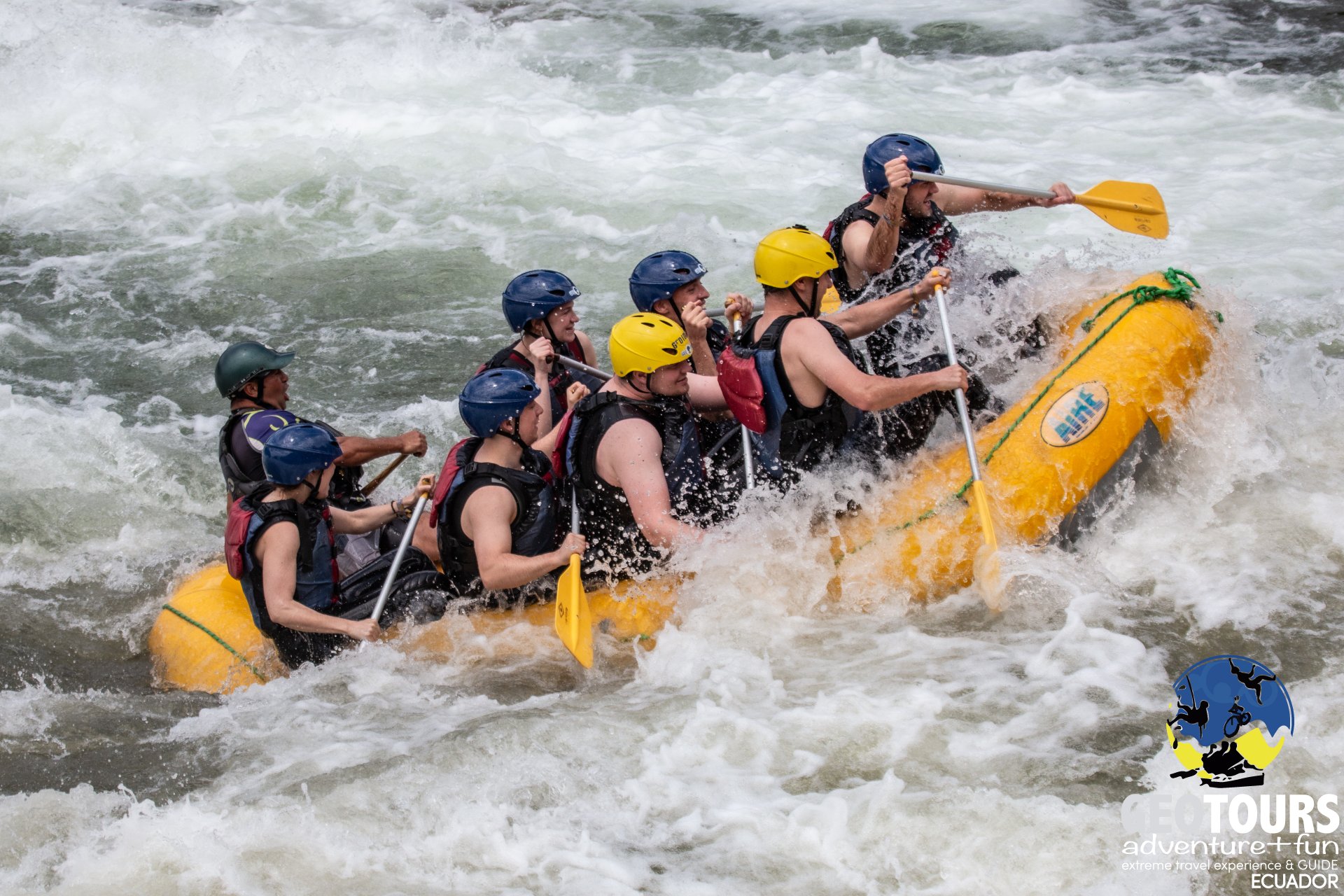
Whether you're an experienced rafter or trying it for the first time, this section of the Pastaza River offers the perfect mix of excitement and breathtaking scenery.

Geotours takes you to Green Forest Ecolodge in Cuyabeno. Discover the Ecuadorian Amazon

Our Chimborazo tour. Hike through unique Andean landscapes, spot birds, and admire the majestic Chimborazo

The San José is 16-passenger yacht, designed for navigation in the Galapagos Archipelago. The yacht was carefully planned and built during 2004 in Guayaquil, Ecuador with the comfort of her guests in mind.

The Guantanamera Yacht is a comfortable and spacious tourist Class motor yacht ideal for passengers seeking relax
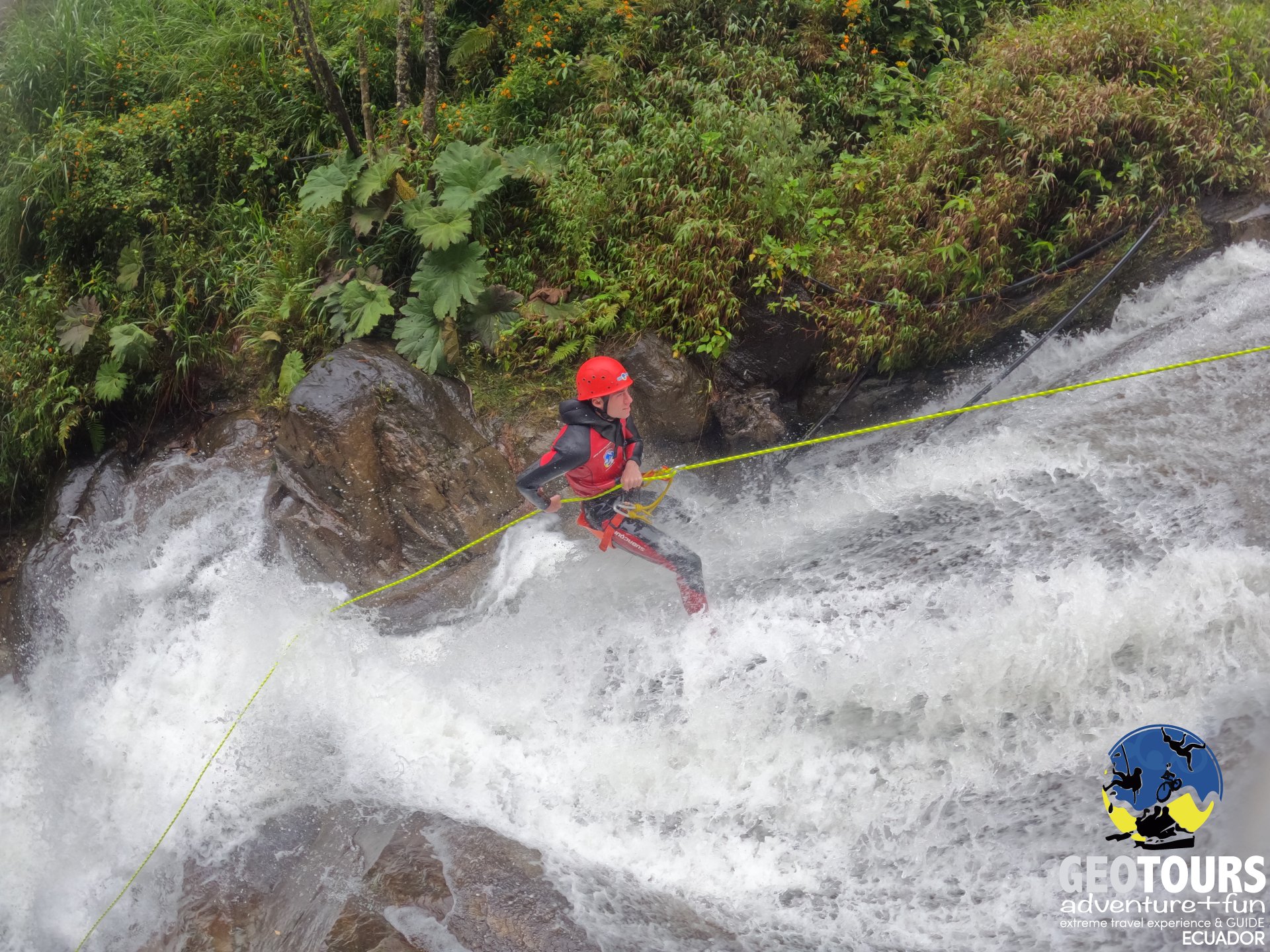
Canyoning tour in Chamana has been designed to entertain even the most reckless!

Get your adrenaline pumping in Baños with an unforgettable adventure tour! Experience thrilling outdoor activities surrounded by stunning nature, then relax at a cozy hostel.