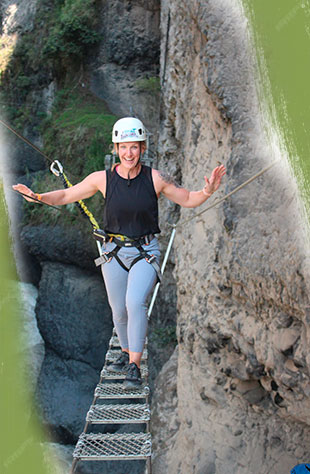
Hike & Bike Tungurahua - Full Day Tour
Our Tungurahua Hike & Bike tour blends adventure and mountain connection


GEOTOURS, founded in Baños in 1991, is an organization that was specifically designed for extreme sports and outdoor activities.
Ambato y Halflants - Baños de Agua Santa - Ecuador
+593995433293
sales@geotoursbanios.com

In 2025, Ecuador was affected by a wave of insecurity caused by organized criminal groups. In this blog, we will discuss the reality of this situation and the outlook for security in 2026.
National and international media have been the main sources of information regarding the political and security challenges facing the country. It is widely known that significant events have taken place, such as changes to internal laws, the implementation of “states of exception,” and other security measures which, despite their intent, have not achieved fully positive results in most cases.
As a result, 2025 was a year in which tourism was directly affected, as this “negative publicity” generated fear and uncertainty among those interested in visiting Ecuador. However, there is an important factor to consider: these security issues are not present in every part of the country. Instead, they are concentrated in specific areas, particularly in coastal provinces such as Guayas and Esmeraldas. There are many safe tourist destinations that can be visited normally and without security concerns.
What can we expect in 2026?
Despite the challenges in these focalized areas, it is important to emphasize that violence remains limited to specific zones and is not a nationwide security issue. This is especially true in Ecuador’s other three regions—the Highlands (Sierra), the Amazon, and the Galápagos Islands—where coordinated efforts have been made among tourism authorities and related institutions to ensure that security issues do not affect the country’s most visited destinations.
A clear example of this is the city of Baños de Agua Santa, where approximately 90% of residents depend on tourism. As a result, the city has implemented collective surveillance initiatives, including street monitoring and the use of security cameras along main roads. Combined with continuous support from the metropolitan police, these measures have helped keep crime rates very low. Similar strategies have been adopted by other cities striving to remain stable despite the political challenges that have impacted Ecuador’s international image.
Currently, the following destinations maintain a stable security situation and can be considered safe travel options for 2026: Quito, Baños de Agua Santa, Cuenca, Cotopaxi, Quilotoa, Chimborazo, Puyo, Tena, Cuyabeno, and the Galápagos Islands.
Travelers are advised to avoid—or at least exercise increased caution in—the following areas: Guayaquil, Durán, Esmeraldas, Manabí, and Los Ríos.
Final recommendations
In summary, one of the safest ways to travel in Ecuador is to stay informed about specific conflict areas and avoid them. Travelers should remain vigilant during interprovincial journeys, especially when using public transportation, keep personal belongings secure at all times, and identify emergency assistance points in advance.
In this blog, we will discuss the reality of this situation and the outlook for security in 2026.

Our Tungurahua Hike & Bike tour blends adventure and mountain connection
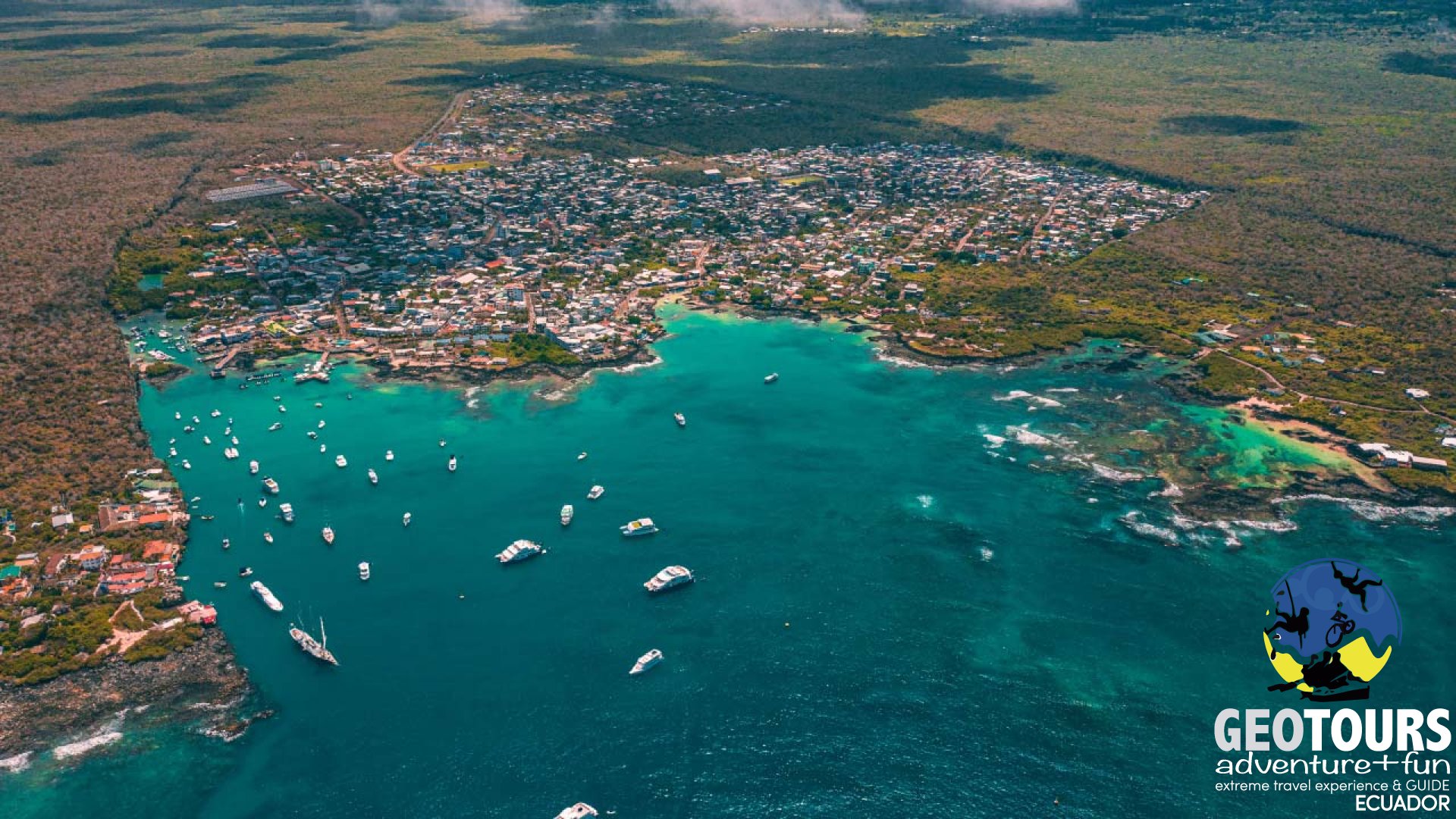
This tour takes you to discover its main natural and cultural attractions.

Enjoy a 3-day getaway to Baños de Agua Santa, designed with privacy, safety, and well-being in mind.
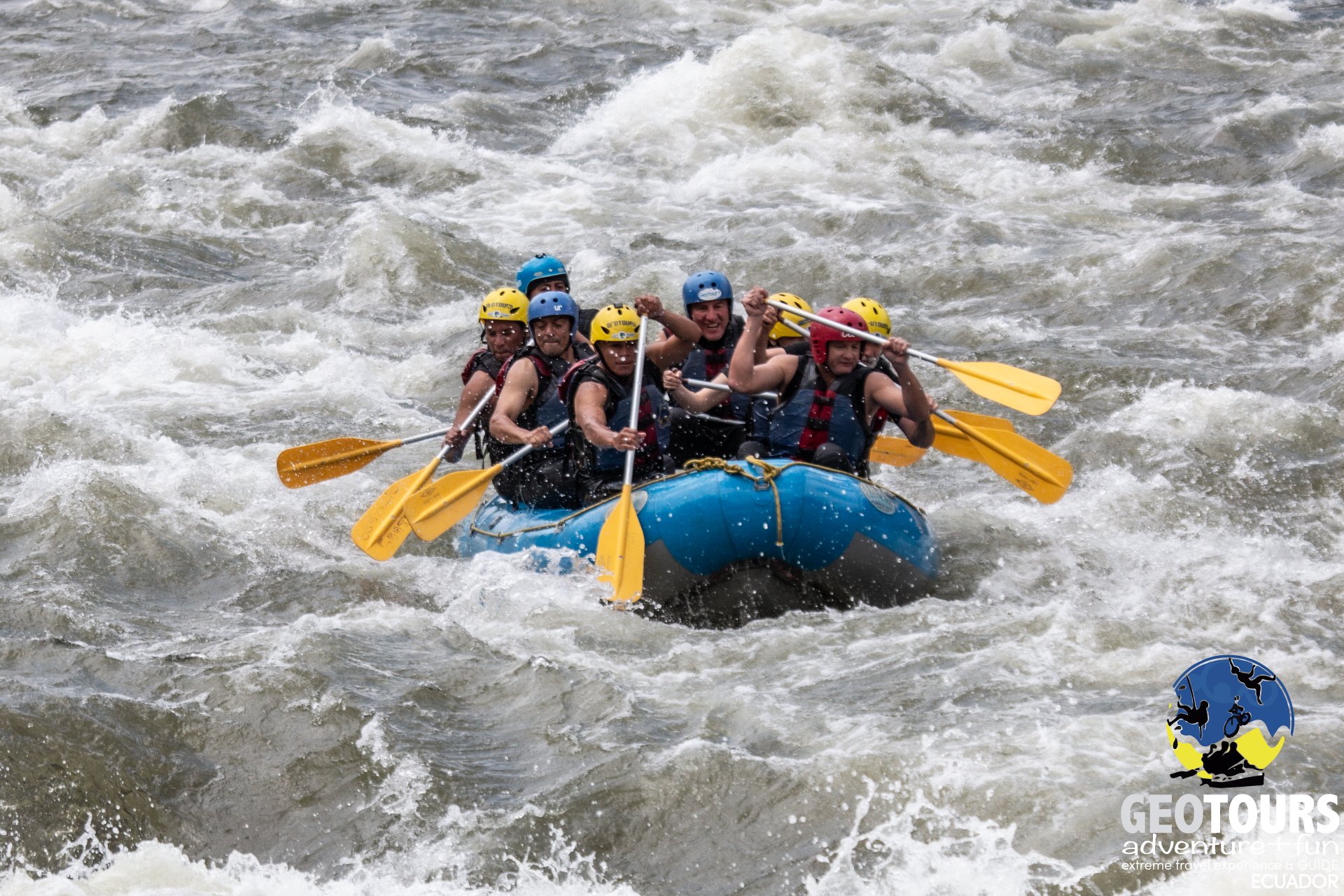
Experience the thrill of whitewater rafting on the Pastaza River with our half-day tour

Our Chimborazo tour. Hike through unique Andean landscapes, spot birds, and admire the majestic Chimborazo

Explore Ecuador's most important Amazonian reserve, Yasuní National Park.

This tour is perfect to unplug, breathe fresh air, and enjoy the flora, fauna, and stunning views.

The spectacular catamaran netting spanned between both sterns of the hulls is supplemented by an ample
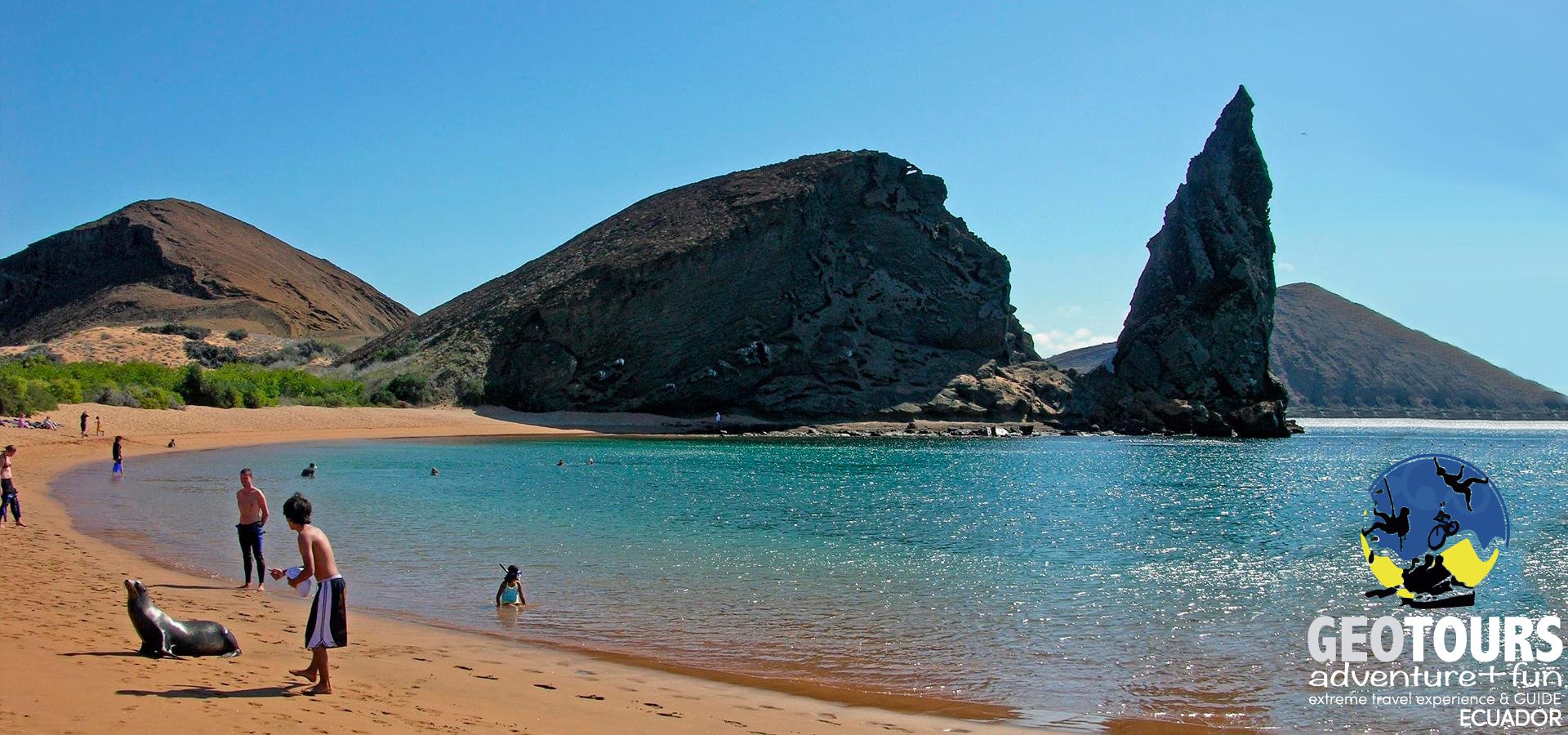
Explore Galapagos in one day with snorkeling, unique beaches, amazing wildlife and stunning landscapes, always guided by expert naturalist guides.